The Justice Department is turning a Supreme Court loss into a fraud fight, and that shift tells you almost everything about the new strategy.
Quick Take
- The Justice Department told prosecutors to prioritize birth tourism cases under fraud and money laundering laws.
- The move came right after the Supreme Court rejected Donald Trump’s bid to curb birthright citizenship.
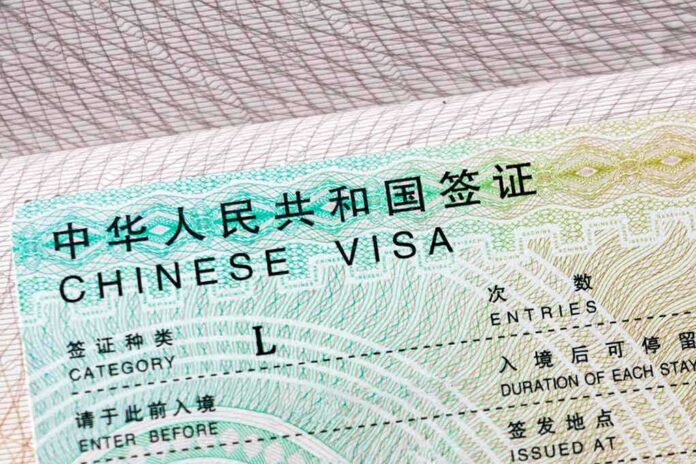
- Officials say many schemes begin with false visa applications that hide the real purpose of travel.
- The policy leans on criminal enforcement, not on changing the constitutional rule on citizenship.
What the Justice Department Did
The Justice Department directed federal prosecutors to focus on birth tourism schemes after the Supreme Court struck down Trump’s citizenship restriction. Colin McDonald, the assistant attorney general for fraud enforcement, said prosecutors can use visa fraud, money laundering, identity theft, and wire fraud charges in these cases. The message was blunt: the government may have lost one legal battle, but it still plans to squeeze the practice through existing criminal laws.
That matters because the new push does not attack birthright citizenship itself. It targets the conduct around it. According to the department, many cases begin with a false visa application, where the traveler lies about the purpose or length of the trip. That is the legal opening. If prosecutors can prove deceit at entry, they can build a case even when the child’s citizenship is not in dispute.
The Case That Gives the Campaign Teeth
The crackdown is not built on theory alone. A federal defendant, Dongyuan Li, pleaded guilty in Southern California to conspiracy to commit immigration fraud and visa fraud for running a birth tourism business. The Justice Department also pointed to earlier cases where operators charged clients large sums to arrange travel, housing, and birth plans in the United States. Those cases give the department something concrete to point at when critics call the issue symbolic or overstated.
Still, the scale is hard to pin down. The government does not track birth tourism births in a clean way, and estimates vary widely. One group of 140 university professors told the Supreme Court that birth tourism makes up only an infinitesimal share of the roughly 3.6 million births in the United States each year. That does not erase fraud cases. It does raise a fair question about how common the practice really is and whether every dramatic public warning matches the numbers.
Why the Timing Matters
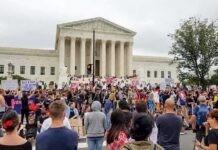
The timing is the real story. Reuters reported that the department’s memo came hours after the Supreme Court ruled 6-3 against Trump’s executive order. The ruling affirmed birthright citizenship for nearly all children born in the United States. So the department did not respond by reopening the constitutional fight. It shifted to a narrower lane: criminal enforcement against facilitators, recruiters, and travelers who allegedly lied to get into the country.
DOJ vows 'birth tourism' crackdown after Supreme Court rules against Trump in birthright citizenship case https://t.co/TYjUSbNcNV pic.twitter.com/eruwBIt8W9
— New York Post (@nypost) July 2, 2026
That is a politically smarter move than trying to relitigate the Constitution. It also fits a long pattern in immigration politics. When the bigger legal door closes, officials often walk through a side door marked fraud, deception, and misuse of the system. Supporters see common sense enforcement. Critics see a hardline workaround meant to keep the immigration fight alive after a courtroom setback. Both readings can coexist, but the law will decide how far the crackdown goes.
What Comes Next
The department said prosecutors should work with the Department of Homeland Security on these investigations. That suggests more case-building, more document checks, and more attention to visa filings. It also suggests more pressure on facilitators who market travel packages to pregnant clients. If prosecutors can show a pattern of lies, shell companies, or cash flows tied to the scheme, they may win cases even if the broader political debate stays unresolved.
The bigger question is whether the public sees this as targeted law enforcement or as a symbolic response to a Supreme Court defeat. The answer may depend on how many cases follow and how solid they are. One strong fraud case can justify a crackdown. A thin record of prosecutions can make it look like a political statement wearing a prosecutor’s badge. That tension now sits at the center of the issue.
Sources:
nypost.com, usatoday.com, yahoo.com, justice.gov
© partiallypolitics.com 2026. All rights reserved.